Taxes are an important part of the financial system in the United Kingdom, affecting workers, retirees and anyone who earns income. One of the most important elements of the UK tax structure is the personal allowance — the amount of income individuals can earn each year before they start paying income tax.
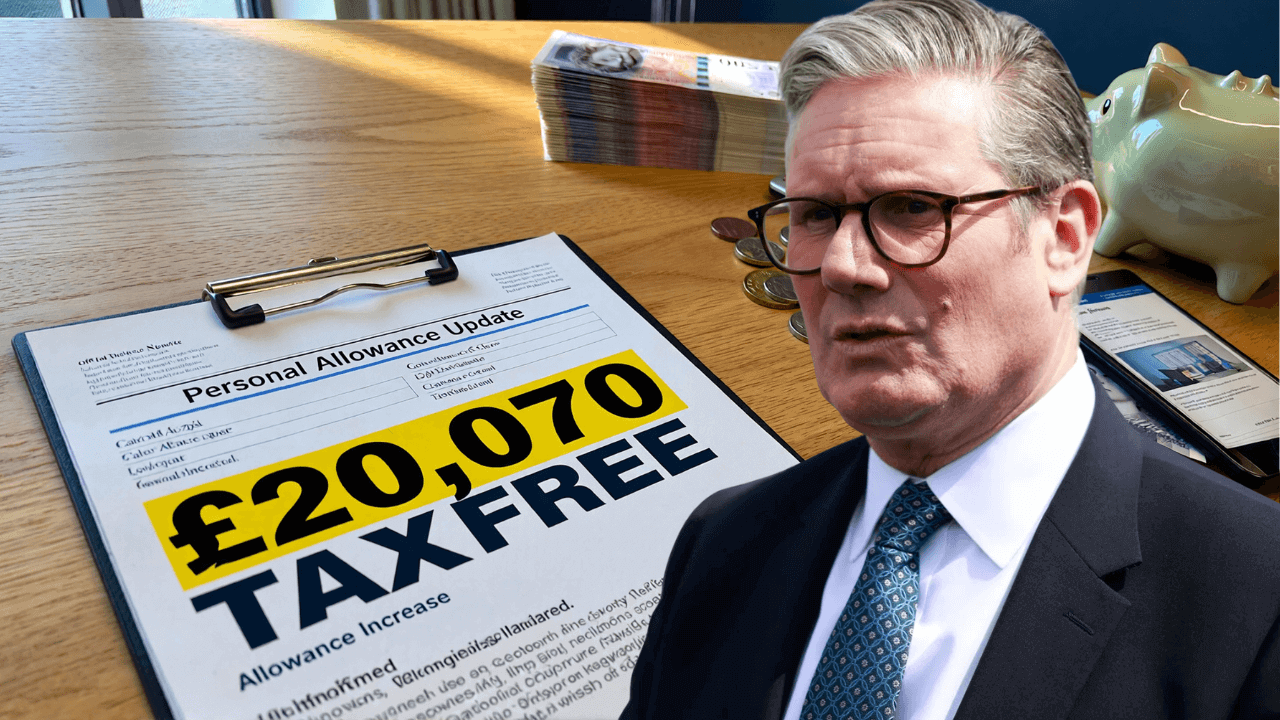
Recently, discussions about a possible tax‑free income level of £20,070 have drawn significant attention. Many people are trying to understand what this figure means, whether it represents a change in tax rules and who might benefit from it.
Although tax headlines often focus on specific numbers, the real picture can be more complex. The £20,070 figure generally reflects how multiple tax allowances can work together for certain individuals rather than representing a universal increase in the standard personal allowance.
To understand how this works, it is important to look at how the UK tax system is structured and how different allowances interact.
What the personal allowance means
The personal allowance is the basic tax‑free threshold that applies to most people in the UK. It represents the amount of income someone can receive each tax year before income tax begins to apply.
The system is administered by HM Revenue and Customs, the government department responsible for collecting taxes and managing the country’s tax regulations.
For many taxpayers, the personal allowance applies to income from employment, pensions and some other sources. Once income exceeds this allowance, the remaining amount is taxed according to the relevant income tax band.
The personal allowance therefore plays a central role in determining how much tax someone ultimately pays.
How additional allowances can increase tax‑free income
While the personal allowance sets the basic tax‑free threshold, the UK tax system includes several other allowances that can increase the amount of income someone receives before paying tax.
These allowances include the starting rate for savings and the personal savings allowance. When combined with the standard personal allowance, they can significantly increase the total tax‑free income available to some individuals.
For people who earn interest from savings accounts, these allowances may allow them to receive additional income without triggering tax.
In certain situations, the combination of these allowances can bring the total tax‑free income close to figures such as £20,070.
The role of savings allowances
Savings allowances are designed to help individuals keep more of the interest they earn from savings accounts and certain financial products.
Under the personal savings allowance, basic rate taxpayers can receive a certain amount of interest without paying tax.
Higher rate taxpayers may also receive a smaller allowance, while additional rate taxpayers generally do not qualify.
These allowances were introduced to encourage saving and simplify the way savings income is taxed.
For individuals with modest earnings and savings income, the savings allowance can significantly reduce the amount of tax owed.
Understanding the starting rate for savings
Another key part of the tax system is the starting rate for savings.
This allowance applies to individuals whose non‑savings income is relatively low. In these cases, a portion of savings interest can be taxed at a special starting rate that may effectively reduce the tax liability to zero.
When this allowance is combined with the personal allowance and the personal savings allowance, the total tax‑free income may rise substantially.
This is why figures such as £20,070 sometimes appear in discussions about tax‑free income.
Why pensioners often benefit from these rules
Pensioners are among the groups most likely to benefit from the interaction of multiple tax allowances.
Many retirees receive income from the State Pension along with interest from savings accounts or income from private pensions.
Because their income may fall within certain thresholds, they may qualify for additional savings allowances that increase the amount they can receive tax‑free.
For retirees living on moderate incomes, these allowances can help preserve more of their retirement savings.
How tax codes affect income
Tax codes are used to ensure that the correct amount of tax is deducted from someone’s income throughout the year.
Each individual receives a tax code that reflects their personal allowance and any adjustments made by HMRC.
If someone receives income from multiple sources, such as pensions and employment, their tax code may be adjusted to ensure tax is collected correctly.
Changes in tax codes sometimes lead to confusion, particularly if deductions appear unexpectedly in pension payments or wages.
However, these adjustments are usually part of routine tax calculations rather than new taxes.
Additional support available for pensioners
While tax allowances help reduce the amount of income tax owed, some pensioners may still require additional financial assistance.
One important support programme available to low‑income retirees is Pension Credit.
Pension Credit is designed to boost the income of pensioners whose earnings fall below a certain level.
In addition to increasing income, it can unlock access to several additional forms of support, including help with housing costs and energy bills.
Many pensioners who qualify for Pension Credit do not claim it, meaning they may be missing out on valuable financial support.
Why understanding tax rules matters
The UK tax system contains a variety of allowances and rules that can affect how much tax individuals pay.
For people with multiple sources of income, understanding how these allowances interact can make a significant difference.
For example, combining allowances may reduce tax liability and allow individuals to keep more of their income.
Financial awareness can therefore play a key role in helping people manage their finances effectively.
Managing finances during retirement
Retirement often brings a shift in financial priorities. Instead of earning a regular salary, retirees usually rely on a mix of income sources.
These sources may include:
State Pension payments
Workplace pensions
Private pension savings
Interest from savings accounts
Understanding how tax applies to each of these income streams can help retirees manage their finances more effectively.
Many retirees also review their tax position regularly to ensure they are making full use of available allowances.
Why tax headlines can be misleading
Tax‑related headlines sometimes highlight specific figures that can be misunderstood without proper context.
For example, a headline referring to £20,070 tax‑free income might suggest that everyone automatically receives this allowance.
In reality, the actual tax‑free income available to an individual depends on their personal circumstances and the types of income they receive.
Figures like this typically represent examples showing how multiple allowances can combine under certain conditions.
Key points taxpayers should remember
The personal allowance determines how much income is tax‑free.
Savings allowances can increase tax‑free income for some individuals.
Combining allowances may allow higher tax‑free thresholds in certain cases.
Pensioners with savings may benefit from these rules.
Tax codes help ensure the correct amount of tax is collected.
Final thoughts
The UK tax system is designed to balance fairness with financial sustainability. Through a combination of personal allowances and savings rules, many people can earn a significant portion of income without paying tax.
Although headlines mentioning figures such as £20,070 may cause confusion, they usually reflect how multiple allowances work together rather than a single universal tax‑free threshold.
For taxpayers and pensioners alike, understanding how these rules operate can make it easier to manage income and plan finances effectively. By staying informed about allowances and reviewing their tax situation regularly, individuals can ensure they make the most of the benefits available within the UK tax system.