For many retirees across the United Kingdom, the State Pension provides a reliable foundation for financial security during retirement. After decades of working and contributing to the system through National Insurance, pensioners often expect their retirement income to be straightforward and predictable.
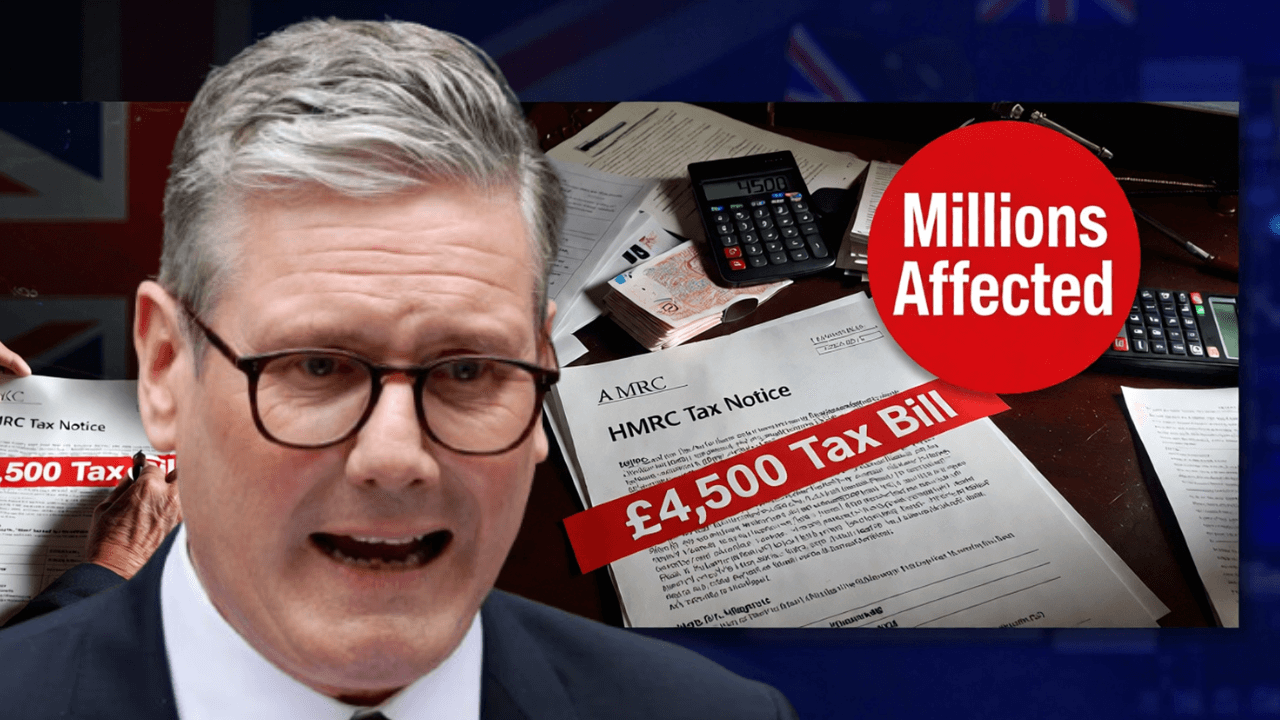
However, recent reports about pensioners receiving tax bills worth thousands of pounds have sparked concern among older residents. In some cases, pensioners have been surprised by notices suggesting that they owe additional tax—sometimes amounting to several thousand pounds.
Understanding how the tax system works for pension income can help explain why these bills sometimes occur and what pensioners can do if they receive one. While headlines about large tax bills can be alarming, the reasons behind them often relate to how income tax is calculated rather than sudden new penalties.
How pension income is taxed in the UK
Retirement income in the UK can come from several different sources. Most pensioners receive payments from the State Pension, which provides weekly financial support to individuals who have reached pension age and built up sufficient National Insurance contributions.
In addition to the State Pension, many retirees receive income from workplace pensions or private pension schemes. These additional income sources can significantly increase total retirement income.
Like most forms of income in the UK, pension income is subject to income tax if it exceeds the personal tax allowance. The system responsible for managing tax collection is HM Revenue and Customs, commonly known as HMRC.
If a pensioner’s total income exceeds the tax‑free threshold, the amount above that threshold becomes taxable.
Why some pensioners receive unexpected tax bills
Unexpected tax bills usually occur when HMRC determines that a taxpayer has paid too little tax during a previous year.
This situation can arise for several reasons. One common cause is when pensioners receive income from multiple sources but the tax system does not immediately capture the full picture.
For example, a person might receive a State Pension, a workplace pension and income from savings or investments. If the tax system initially underestimates total income, the correct tax may only be calculated later.
When this happens, HMRC may send a notice explaining that additional tax is owed.
How tax codes affect pension payments
Tax codes are used to calculate how much tax should be deducted from income. These codes are applied by employers or pension providers to ensure the correct amount of tax is collected.
However, the State Pension itself is usually paid without tax being deducted. Instead, HMRC collects any tax owed on the State Pension through other income sources, such as workplace pensions.
If the tax code applied to a pension provider does not accurately reflect a person’s total income, it can result in too little tax being collected during the year.
When HMRC later identifies the difference, the system may generate a tax bill for the outstanding amount.
The impact of multiple pension incomes
Many retirees receive income from several different pensions.
For example, someone may receive:
The State Pension
A workplace pension from a previous employer
A private pension they set up themselves
Each of these income streams may be taxed separately, but HMRC calculates tax based on the combined total.
If one income source is taxed correctly while another is not fully accounted for, the overall tax collected may fall short of the correct amount.
This situation can lead to tax adjustments being issued later.
Why the figure of £4,500 appears in reports
The £4,500 figure mentioned in some reports refers to individual cases where pensioners have accumulated tax underpayments over several years.
When tax discrepancies build up over time, the total amount owed can become relatively large.
In some situations, HMRC may allow repayments to be spread over future tax years through adjustments to tax codes. This helps reduce the financial pressure of paying the entire amount immediately.
However, in cases where the discrepancy is larger or discovered later, a direct tax bill may be issued.
The role of the personal allowance
One of the key factors influencing pension taxation is the personal allowance. This allowance determines how much income a person can earn each year before paying income tax.
For many pensioners, the State Pension alone may fall close to this threshold. When additional pension income is added, total earnings may exceed the tax‑free allowance.
Once this happens, income tax becomes payable on the amount above the allowance.
Because pension incomes can change over time, tax liabilities may also change from year to year.
The importance of checking tax records
Pensioners can reduce the risk of unexpected tax bills by regularly reviewing their tax information.
Checking tax codes, pension statements and annual tax summaries helps ensure that income is being reported accurately.
If something appears incorrect, contacting HMRC or the relevant pension provider can help resolve the issue.
Understanding how tax codes work can also help pensioners identify potential problems early.
How the tax system corrects underpayments
When HMRC identifies an underpayment, it usually offers several ways to correct the issue.
In many cases, the tax authority adjusts the taxpayer’s code for future years so that the owed amount is gradually repaid.
This approach spreads the repayment over time rather than requiring a large one‑off payment.
In other cases, particularly if the amount is larger or relates to multiple years, HMRC may issue a direct bill requesting payment.
Taxpayers who believe the bill is incorrect can request clarification or challenge the calculation.
Financial planning for retirement
Managing finances during retirement requires careful planning and awareness of how tax rules apply to pension income.
Because many retirees have several income sources, it is important to understand how these combine for tax purposes.
Financial advisers often recommend reviewing pension income annually to ensure tax codes remain accurate.
Keeping detailed records of income sources can also help avoid confusion when tax notices are issued.
Avoiding scams related to tax notices
Whenever tax issues receive media attention, scammers sometimes attempt to exploit the situation.
Fraudulent messages may claim that urgent tax payments are required or request personal information.
Pensioners should be cautious about responding to unexpected messages or phone calls claiming to be from tax authorities.
Official communications from HMRC typically arrive through secure channels such as official letters or verified online accounts.
If there is any doubt, contacting HMRC directly is the safest way to confirm whether a tax notice is genuine.
Key points pensioners should remember
Pension income can come from multiple sources and may be subject to income tax
The State Pension itself is taxable but usually paid without tax deductions
Tax codes determine how much tax is collected from pension payments
Unexpected tax bills often result from underpayments in previous years
Regularly checking tax information can help prevent surprises
Final thoughts
The reports about pensioners receiving large tax bills highlight how complex retirement income taxation can sometimes become. While figures such as £4,500 may sound alarming, they usually reflect accumulated tax adjustments rather than sudden new penalties.
For pensioners across the UK, understanding how pension income is taxed and keeping track of tax codes can help reduce the risk of unexpected bills. By reviewing financial records and staying informed about tax rules, retirees can ensure their pension income is managed correctly and continue enjoying greater peace of mind during retirement.