For many savers in the United Kingdom, Individual Savings Accounts, commonly known as ISAs, are one of the most popular ways to protect savings from tax. These accounts allow individuals to earn interest or investment returns without paying income tax or capital gains tax on the money earned.
Because of these tax advantages, millions of people use ISAs each year to grow their savings. However, recent reports suggest that the UK tax authority has contacted thousands of savers after identifying potential issues with how some accounts have been used.
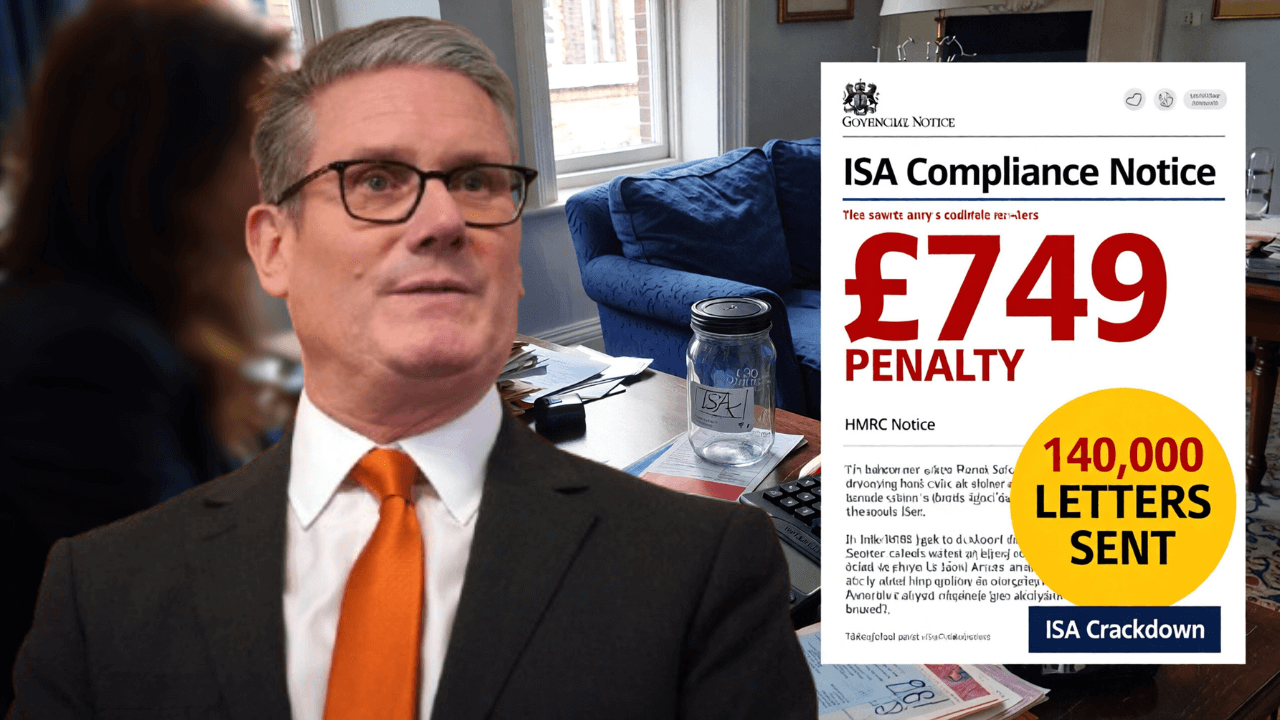
According to recent figures, around 140,000 letters have been issued to ISA account holders, with the average penalty reported to be around £749 in certain cases. These letters have drawn attention from savers who want to understand why they may have received a notice and what the rules surrounding ISAs actually are.
The tax system that oversees these matters is managed by HM Revenue and Customs, which is responsible for collecting taxes, monitoring financial compliance and ensuring that tax‑free savings rules are followed.
Understanding how ISA regulations work and why enforcement actions sometimes occur can help savers avoid unexpected problems.
How ISAs work in the UK
An Individual Savings Account is a financial product designed to encourage people to save or invest money without paying tax on the returns. ISAs are offered by banks, building societies and investment providers across the country.
There are several different types of ISA accounts available, including:
Cash ISAs
Stocks and Shares ISAs
Innovative Finance ISAs
Lifetime ISAs
Each type of account allows savers to benefit from tax‑free growth, but they are all subject to specific rules set by the government.
One of the most important rules is the annual ISA allowance, which limits how much money can be deposited into these accounts during each tax year.
The importance of the annual ISA allowance
Every tax year, individuals in the UK are allowed to deposit up to a specific amount across their ISA accounts. This allowance applies to all ISA types combined.
If a saver exceeds the annual limit, the excess amount may lose its tax‑free status.
Although most people stay within the allowance, mistakes can sometimes occur, particularly if savers hold multiple accounts with different providers.
When this happens, HMRC may investigate the situation to determine whether any tax rules have been breached.
Why HMRC sends letters to savers
When irregularities appear in financial records, HMRC may contact individuals to clarify the situation.
These letters are not always penalties. In many cases they simply request information about how an account has been used.
However, if the tax authority determines that rules have been broken, additional tax charges or penalties may apply.
Letters sent to ISA savers often relate to issues such as exceeding the annual allowance or using accounts in ways that do not comply with regulations.
Because financial institutions report ISA activity to HMRC, the tax authority is able to review this information and identify potential discrepancies.
What the £749 average penalty means
The figure of £749 mentioned in connection with ISA enforcement refers to the average value of certain penalties issued when tax‑free rules have been breached.
The actual amount paid by individuals may vary widely depending on the circumstances.
In some situations, the issue may involve unpaid tax on interest earned from savings that exceeded the allowed limit.
In others, penalties may be applied if a person failed to correct the issue after being notified.
The purpose of these penalties is to ensure fairness within the tax system and prevent misuse of tax‑free accounts.
Common mistakes ISA savers make
Although ISA rules are relatively straightforward, mistakes can still happen.
Some of the most common issues include depositing more than the annual allowance or opening multiple accounts of the same type in the same tax year.
Another potential mistake involves transferring money between accounts incorrectly, which can sometimes affect the tax‑free status of the funds.
In many cases these errors occur simply because savers are unaware of the detailed rules surrounding ISA usage.
Financial providers usually offer guidance, but it is still the responsibility of the account holder to ensure that their savings comply with tax regulations.
How banks and building societies report ISA activity
Banks and building societies play an important role in the ISA system.
Each year they provide HMRC with information about deposits, withdrawals and account balances associated with ISA accounts.
This reporting process allows the tax authority to verify whether savers are staying within the rules.
If discrepancies appear between reported figures and tax allowances, HMRC may review the situation and contact the account holder.
The goal of this system is to ensure that tax‑free savings accounts are used appropriately.
Why ISA compliance matters
Tax‑free savings accounts provide valuable benefits to individuals and households across the UK.
By allowing interest and investment returns to grow without taxation, ISAs encourage long‑term saving and financial stability.
However, these benefits are only possible if the rules governing the accounts are followed.
Ensuring compliance helps maintain fairness for all savers and prevents misuse of the system.
Without proper oversight, the tax advantages associated with ISAs could potentially be exploited.
What savers should do if they receive a letter
Receiving a letter from HMRC can be worrying, but it is important not to panic.
In many cases the letter simply requests clarification or provides guidance about correcting an issue.
Savers should read the letter carefully and follow any instructions provided.
If additional information is required, responding promptly can help resolve the matter quickly.
Some individuals may also choose to seek advice from financial advisers or tax professionals if they are unsure how to respond.
Tips for avoiding ISA problems
There are several steps savers can take to ensure their ISA accounts remain compliant with tax rules.
Keeping track of contributions throughout the year can help ensure the annual allowance is not exceeded.
Using official ISA transfer procedures when moving money between accounts is also important.
Savers should also review account statements regularly to ensure deposits and withdrawals are accurate.
Understanding the basic rules of ISA accounts can significantly reduce the risk of encountering problems.
The role of financial education
Financial literacy plays a crucial role in helping individuals manage their savings effectively.
Understanding how tax‑efficient savings accounts work allows people to make better decisions about their money.
Banks, financial advisers and government agencies often provide guidance explaining how ISA accounts operate.
Access to clear information helps savers avoid common mistakes and maximise the benefits available to them.
As financial products become more complex, the importance of financial education continues to grow.
The broader picture for UK savers
Despite occasional enforcement actions, ISAs remain one of the most beneficial savings tools available in the UK.
Millions of people continue to use these accounts successfully to build financial security and plan for the future.
The recent letters issued by HMRC highlight the importance of following the rules, but they also remind savers of the value of understanding how tax‑efficient savings work.
For individuals who use ISAs responsibly, the accounts can provide significant long‑term advantages.
Key points ISA savers should remember
ISA accounts allow savings and investments to grow without tax
Each tax year includes a limit on how much can be deposited
HMRC monitors account activity through reports from financial institutions
Letters sent to savers often request clarification about account activity
Understanding the rules helps prevent penalties and protect tax‑free benefits
Final thoughts
The news that thousands of ISA savers have received letters from HMRC has understandably caught the attention of many households across the UK. However, the situation serves primarily as a reminder of the importance of understanding how tax‑free savings accounts operate.
ISAs continue to be one of the most effective ways for individuals to grow their savings while avoiding unnecessary tax. By staying informed about contribution limits, keeping accurate records and following official guidance, savers can continue enjoying the benefits of these accounts without encountering compliance issues.
For those who rely on ISAs as part of their financial strategy, a little awareness and careful planning can go a long way toward ensuring that savings remain both secure and tax‑efficient for years to come.