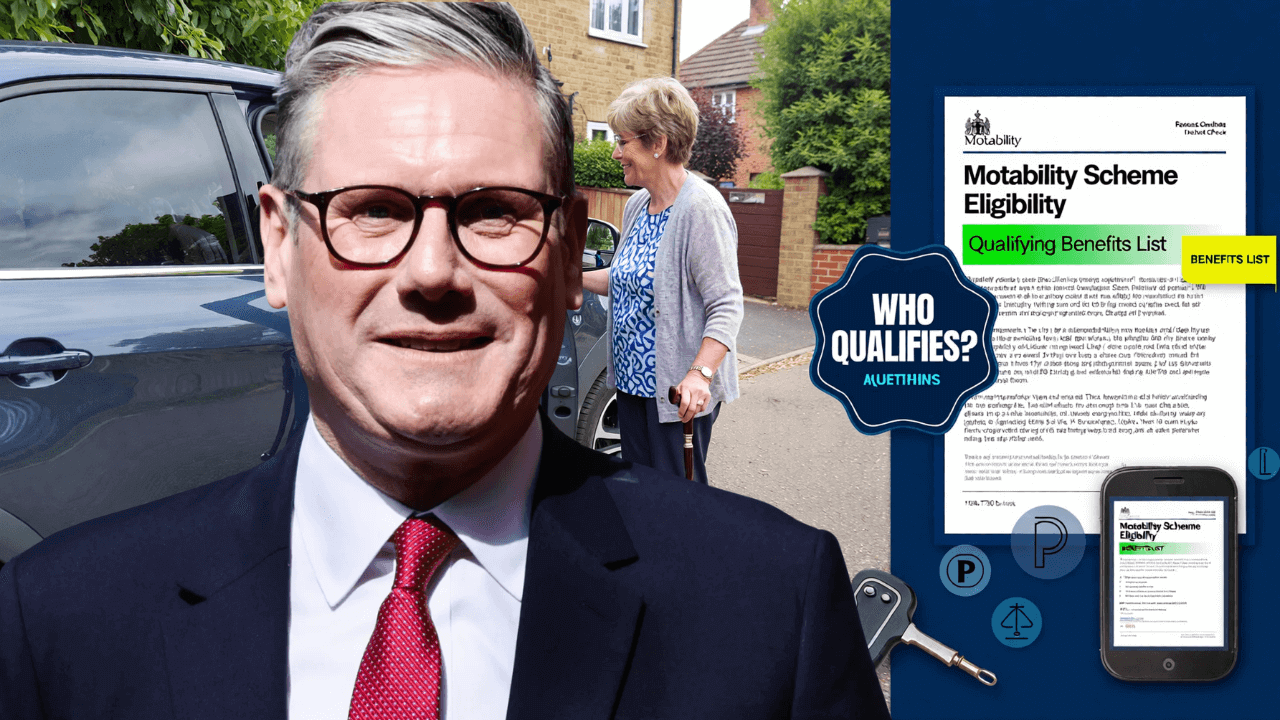
For many disabled people across the United Kingdom, reliable transport can make a huge difference to everyday life. Being able to travel independently helps people attend medical appointments, go to work, visit family and participate fully in their communities.
However, mobility challenges and the cost of vehicles can sometimes make travel difficult. To help address this, the UK introduced a programme that supports disabled individuals with access to vehicles adapted to their needs.
The programme, known as the Motability Scheme, allows eligible individuals to exchange certain disability benefits for a car, scooter or powered wheelchair.
Understanding who qualifies for the scheme and which benefits make someone eligible is important for anyone considering applying. The rules can sometimes appear complicated, but once understood they can open the door to greater independence and mobility.
How the Motability Scheme works
The Motability Scheme is designed to help disabled people access transportation in a flexible and affordable way.
Instead of purchasing a vehicle outright, eligible individuals can use part of their disability benefit payments to lease a car, wheelchair accessible vehicle, scooter or powered wheelchair.
The lease typically lasts three years for cars and longer for some mobility equipment. During this time, many running costs are included in the scheme.
These often include insurance, maintenance, servicing, breakdown cover and road tax. This means participants do not need to worry about many of the usual costs associated with owning a vehicle.
The scheme is supported by the charity Motability and works alongside the government benefit system.
Why the scheme is important for disabled people
Transport is closely connected to independence. For individuals with mobility challenges, access to a suitable vehicle can dramatically improve quality of life.
Many participants in the scheme use their vehicles to travel to work or education, which helps them maintain employment and social connections.
Others rely on their vehicles for essential journeys such as hospital appointments, shopping or visiting family.
By removing many financial barriers, the scheme helps ensure that disabled people can remain active members of society.
The role of disability benefits
Eligibility for the Motability Scheme is based on receiving certain disability benefits that include a mobility component.
These benefits are administered by the Department for Work and Pensions, which manages welfare and disability support programmes in the UK.
When a person qualifies for the mobility component of one of these benefits at the required level, they may become eligible to join the scheme.
It is important to note that eligibility depends on receiving the mobility element at a specific rate.
Personal Independence Payment
One of the most common benefits associated with the Motability Scheme is Personal Independence Payment, often referred to as PIP.
PIP is designed to help individuals with long‑term health conditions or disabilities that affect daily living or mobility.
The benefit has two parts: the daily living component and the mobility component.
To qualify for the Motability Scheme, a claimant generally needs to receive the enhanced rate of the mobility component.
This indicates that the individual experiences significant mobility challenges that affect their ability to move around independently.
Disability Living Allowance
Another benefit linked to the scheme is Disability Living Allowance, which was previously the main disability benefit for people with long‑term conditions.
Although DLA has largely been replaced by PIP for adults, some people still receive it.
To qualify for the Motability Scheme through DLA, claimants must receive the higher rate mobility component.
This indicates that their condition significantly affects their ability to walk or travel independently.
Armed Forces Independence Payment
Some former members of the armed forces who have been injured during service may receive Armed Forces Independence Payment.
This benefit provides financial support for veterans whose injuries affect their daily living or mobility.
Individuals receiving this payment automatically qualify for the Motability Scheme if the mobility element meets the required criteria.
The programme helps ensure that injured veterans continue to have access to transportation suited to their needs.
War Pensioners’ Mobility Supplement
Another benefit connected to the scheme is War Pensioners’ Mobility Supplement.
This payment is provided to veterans who experience mobility difficulties as a result of service‑related injuries.
Recipients of this supplement can use their payments to access vehicles through the Motability Scheme.
The scheme has long supported veterans by providing accessible transportation options.
Vehicles available through the scheme
Participants in the Motability Scheme can choose from a wide range of vehicles depending on their needs.
Many people select standard cars, but others require wheelchair accessible vehicles that allow them to travel comfortably.
The scheme also offers scooters and powered wheelchairs for individuals who do not drive but still need mobility support.
Vehicles can often be adapted with features such as hand controls, wheelchair ramps or swivel seats.
These adaptations help ensure that drivers and passengers can use the vehicles safely and comfortably.
Who can drive the vehicle
One of the unique aspects of the Motability Scheme is that the vehicle does not always have to be driven by the person receiving the benefit.
Participants can nominate other drivers, such as family members or carers, to drive the vehicle on their behalf.
This flexibility allows people who cannot drive themselves to still benefit from the scheme.
The nominated drivers must meet certain requirements, including holding a valid driving licence and meeting insurance conditions.
Costs covered by the scheme
One reason the Motability Scheme is so popular is that many vehicle costs are included in the lease agreement.
These typically include:
Insurance
Vehicle servicing and maintenance
Breakdown cover
Road tax
Participants usually only need to cover fuel and any optional upgrades.
In some cases, a one‑off payment may be required if a participant chooses a higher‑specification vehicle.
Applying for the scheme
Applying for the Motability Scheme is usually straightforward once a person confirms they are receiving the correct disability benefit.
Applicants can visit a participating dealership and choose a vehicle that suits their needs.
The dealership helps arrange the lease and coordinates with the Motability organisation.
Because the payments are taken directly from the qualifying benefit, the process can be relatively simple once eligibility is confirmed.
Why awareness of eligibility matters
Many people who qualify for the Motability Scheme are not always aware that they are eligible.
Understanding the list of qualifying benefits can help individuals explore opportunities that improve mobility and independence.
Healthcare professionals, support organisations and local authorities often provide guidance to help disabled individuals learn about the scheme.
Increased awareness ensures that those who need mobility support can access the assistance available to them.
Key things to remember
The Motability Scheme helps disabled individuals access vehicles and mobility equipment
Eligibility depends on receiving specific disability benefits with a mobility component
The Department for Work and Pensions administers many of these benefits
Vehicles leased through the scheme include insurance, servicing and road tax
Participants can nominate other drivers if they cannot drive themselves
Final thoughts
The Motability Scheme has transformed mobility for hundreds of thousands of people across the United Kingdom. By allowing eligible individuals to exchange part of their disability benefits for accessible transportation, the programme removes many of the financial barriers associated with vehicle ownership.
For disabled individuals and families exploring mobility options, understanding the list of qualifying benefits is the first step toward accessing the scheme. With the right information and support, many people can take advantage of the programme to gain greater independence and improve their everyday quality of life.