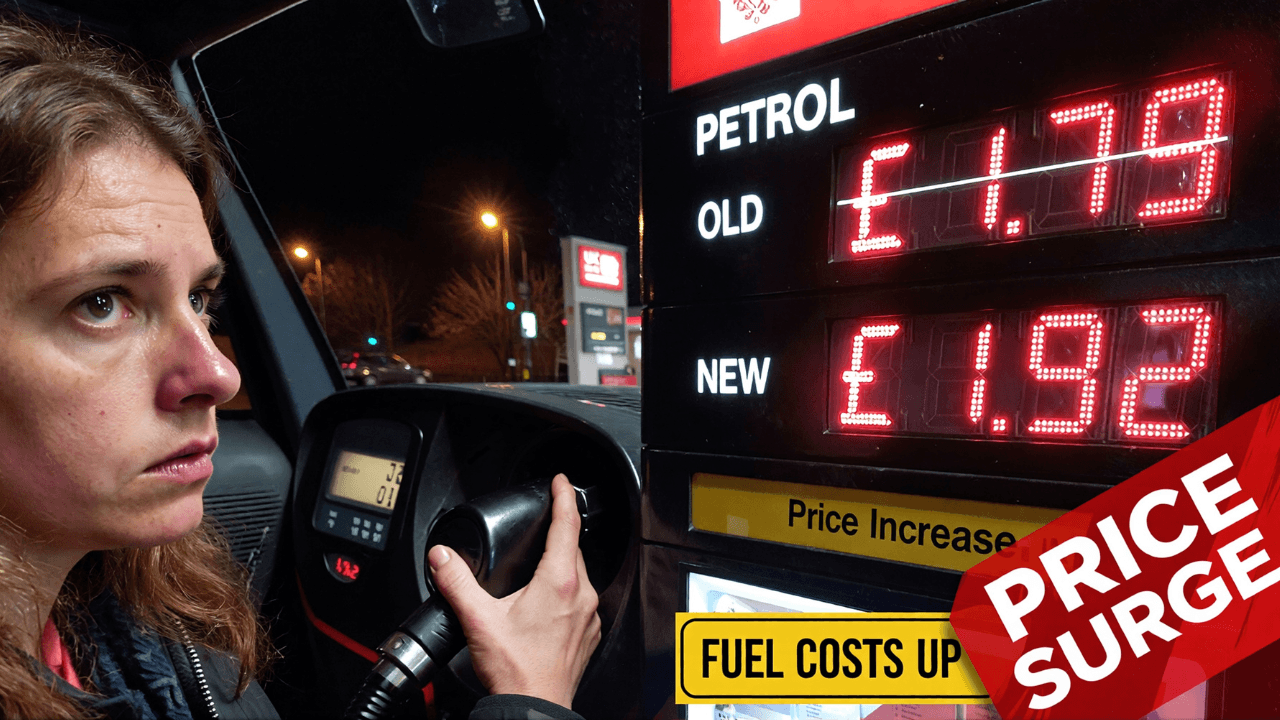
Drivers across Merseyside have recently been confronted with a noticeable jump in petrol prices, sparking concern among commuters, businesses and families who rely on their cars for everyday travel. The sudden change in fuel costs has prompted many motorists to review their spending and pay closer attention to fluctuations at the pumps.
Fuel prices in the UK are influenced by a range of economic factors, from global oil markets to local supply and demand. When prices rise quickly, even by a few pence per litre, the impact can be felt almost immediately by households and businesses that depend on road transport.
Recent official data indicates that petrol prices across several areas of Merseyside have increased significantly within a short period, raising questions about the causes behind the rise and what drivers can expect in the weeks ahead.
Understanding the factors driving petrol price changes can help motorists better plan their travel costs and manage their budgets during periods of volatility.
Why petrol prices change frequently
Fuel prices rarely remain stable for long. They tend to rise and fall depending on conditions in both global energy markets and domestic supply chains.
The cost of crude oil is one of the most important influences. Crude oil is traded internationally, and its price is affected by global demand, geopolitical developments and production levels from major oil‑producing regions.
When the price of crude oil rises, the cost of refining petrol and distributing it to fuel stations also increases.
Retail petrol prices at the pump often reflect these changes, although there can be a delay between changes in wholesale oil prices and the price motorists pay.
Exchange rates can also influence petrol prices. Because oil is traded internationally in US dollars, changes in the value of the British pound can affect how much the UK pays for imported fuel.
What the latest data shows in Merseyside
Recent figures suggest that petrol prices in Merseyside have experienced a sharp daily increase compared with previous weeks.
In some areas, drivers reported noticeable changes in the price displayed on forecourt boards, with several stations adjusting their prices within a short time frame.
Although the exact price increase varies between fuel stations, the trend indicates a broader upward movement in local petrol costs.
Price changes like this often occur when wholesale fuel costs rise, prompting retailers to update pump prices in order to reflect their increased expenses.
For drivers who fill up frequently, even small increases can add up over time.
How petrol prices affect daily life
Rising fuel prices have a direct impact on many aspects of everyday life.
For commuters who rely on their cars to travel to work, higher petrol costs can increase monthly transport expenses.
Families who drive regularly for school runs, shopping trips or visiting relatives may also notice the financial effect of higher pump prices.
Businesses that rely on vehicles are particularly sensitive to fuel price changes.
Delivery companies, taxi services and small businesses that use vans or cars may see their operating costs increase when fuel becomes more expensive.
These costs can sometimes be passed on to customers through higher service prices.
Why regional price differences occur
Petrol prices are not always the same across the country.
Even within the same city or region, different fuel stations may charge different prices.
Several factors can influence these regional differences.
Competition between petrol stations can affect pricing strategies, with some stations offering lower prices to attract customers.
Transportation costs also play a role. Fuel must be transported from refineries to storage facilities and eventually to local filling stations.
Stations located farther from supply hubs may face slightly higher distribution costs.
Local demand can also influence pricing.
In busy areas where demand is high, petrol stations may adjust prices more frequently.
The role of fuel duty and taxes
Taxes make up a significant portion of the price motorists pay for petrol in the UK.
Fuel duty is a fixed tax charged on every litre of petrol sold.
In addition to fuel duty, motorists also pay Value Added Tax (VAT) on fuel purchases.
Together, these taxes represent a substantial percentage of the final pump price.
Changes in government policy regarding fuel duty can therefore influence overall petrol costs.
However, many short‑term price fluctuations are usually linked to changes in wholesale oil prices rather than tax adjustments.
Global factors affecting fuel costs
The international oil market is influenced by many complex factors.
Political events in major oil‑producing regions can affect supply levels, which in turn influence global prices.
Economic growth also plays a role.
When economies expand, demand for energy often increases, which can push oil prices higher.
Conversely, periods of slower economic activity can reduce demand and lead to lower oil prices.
Weather events can also affect fuel supply chains, particularly if they disrupt oil production or transportation routes.
Because the UK imports a large portion of its fuel, global developments can quickly influence domestic petrol prices.
How motorists can manage rising fuel costs
Although drivers cannot control fuel prices, there are several strategies that can help reduce overall fuel spending.
Planning journeys carefully can reduce unnecessary mileage and fuel consumption.
Combining errands into a single trip can also help lower the amount of fuel used during the week.
Maintaining vehicles properly can improve fuel efficiency.
Regular servicing, correct tyre pressure and smooth driving habits can help reduce fuel consumption.
Some motorists also compare petrol prices between stations before filling up.
Fuel price comparison apps and online tools can help drivers identify cheaper options nearby.
The growing role of alternative transport
Rising petrol prices have encouraged some people to consider alternative forms of transport.
Public transport systems, including buses and trains, provide an option for commuters who want to reduce reliance on cars.
Cycling and walking are also becoming more popular for shorter journeys, particularly in urban areas.
Electric vehicles are another option gaining attention.
Although the initial purchase cost can be higher, electric vehicles may offer lower running costs compared with petrol‑powered cars.
As charging infrastructure expands across the UK, more drivers may consider switching to electric alternatives in the future.
What drivers can expect in the coming weeks
Fuel prices can change quickly depending on developments in global oil markets.
If wholesale oil prices continue to rise, petrol prices may remain elevated in the short term.
However, markets are unpredictable, and prices can also fall if supply increases or demand slows.
For motorists, monitoring local fuel prices and staying informed about market trends can help manage expectations.
Although fluctuations are common, understanding the reasons behind price changes can make them easier to navigate.
Staying informed about fuel price trends
Official data and market reports provide valuable insight into fuel price movements across the UK.
Many organisations regularly publish updates on average petrol prices, helping drivers track trends over time.
By following these updates, motorists can better understand whether price changes are part of a wider national trend or limited to certain regions.
This information can also help drivers decide when and where to refuel.
Key points drivers should remember
Petrol prices can change frequently due to global oil markets
Regional differences mean prices vary between fuel stations
Taxes make up a large portion of the pump price
Small price increases can significantly affect monthly fuel costs
Drivers can reduce spending by improving fuel efficiency and comparing prices
Final thoughts
The recent rise in petrol prices across Merseyside highlights how quickly fuel costs can change and how these changes affect motorists across the region. For drivers who rely on their cars daily, even small increases at the pump can influence monthly budgets.
While fuel price fluctuations are a normal part of global energy markets, staying informed about price trends and adopting fuel‑saving habits can help motorists manage the impact more effectively. As markets continue to evolve, drivers across the UK will likely keep a close eye on petrol prices and the factors that influence them.