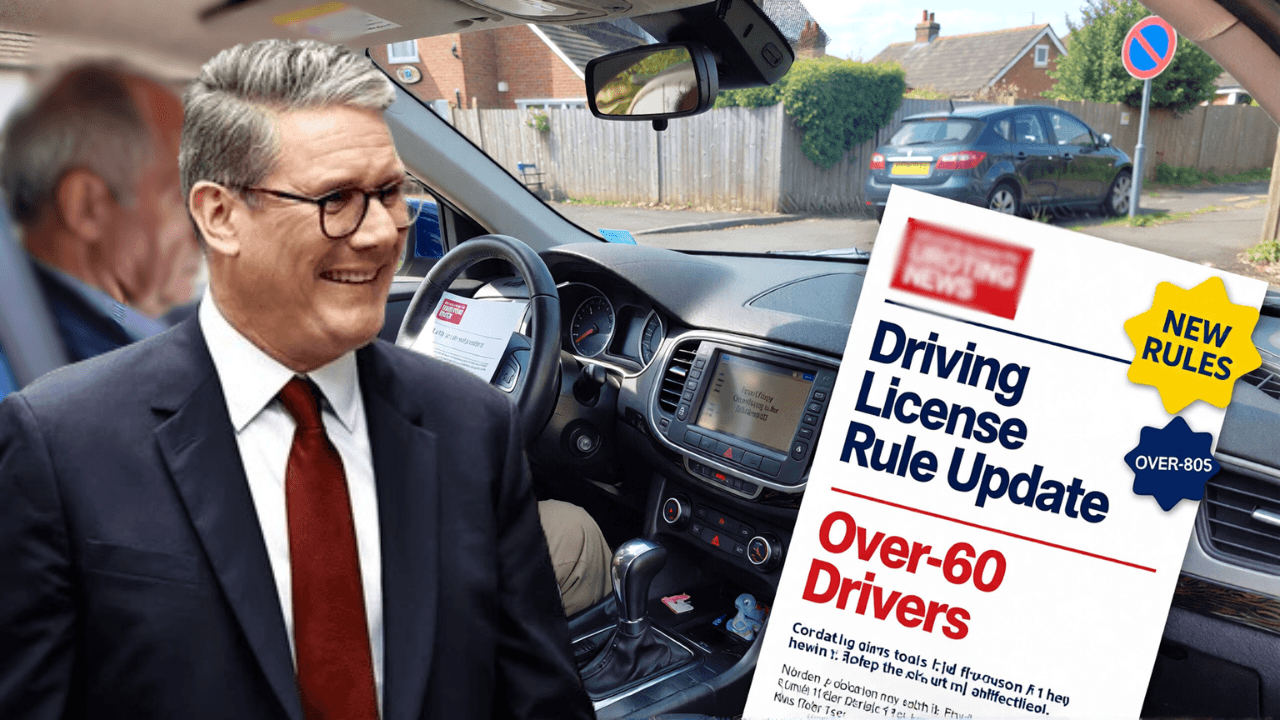
For many people across the United Kingdom, driving represents independence, convenience and freedom. Whether it’s visiting family, doing the weekly shop or enjoying a day out, having a valid driving licence makes everyday life much easier. This is particularly true for older adults who may rely on their car to maintain an active and independent lifestyle.
However, as drivers get older, there are certain rules and responsibilities they need to be aware of. The UK government regularly updates guidance to ensure that roads remain safe while allowing older motorists to continue driving for as long as they are able to do so safely.
These regulations are overseen by the Driver and Vehicle Licensing Agency, the government body responsible for issuing driving licences and maintaining driver records in the UK.
Understanding how the rules apply to drivers aged 60 and above can help ensure that motorists remain compliant with the law while continuing to drive confidently and safely.
Why driving rules change with age
Age alone does not automatically prevent someone from driving in the UK. In fact, many people continue to drive safely well into their seventies and even eighties. The focus of UK driving regulations is not on age itself, but on safety and the ability to drive responsibly.
As people age, natural changes such as slower reaction times or changes in vision can sometimes affect driving ability. Because of this, the government has introduced certain checks and renewal requirements for older drivers.
These measures are designed to balance road safety with the independence that driving provides.
The aim is not to restrict older drivers unnecessarily, but rather to ensure that all motorists on the road meet the same safety standards.
Understanding driving licence validity
In the UK, most drivers receive a driving licence that is valid until they reach the age of 70.
Before that point, licences generally do not require regular renewal unless there are changes to personal details or medical conditions that affect driving ability.
However, once a driver approaches the age of 70, different rules begin to apply.
Drivers must renew their licence to confirm that they remain medically fit to drive.
This renewal process helps the licensing authority ensure that drivers remain capable of driving safely on public roads.
What happens after age 70
Once a driver reaches the age of 70, their driving licence must be renewed every three years.
The renewal process is usually straightforward and can often be completed online or by post.
During renewal, drivers are required to confirm that they meet the necessary health standards for driving.
In most cases, no driving test is required for renewal.
Instead, drivers simply declare that they are medically fit to drive.
If the licensing authority requires additional medical information, they may request details from a doctor.
Medical conditions that must be reported
Drivers of all ages are required to inform the licensing authority if they develop certain medical conditions that could affect their ability to drive safely.
These conditions can include issues related to vision, neurological disorders or conditions that may cause sudden loss of consciousness.
Failing to report a relevant medical condition can lead to penalties and may invalidate a driver’s insurance.
Older drivers are therefore encouraged to stay aware of their health and report any relevant changes.
The licensing authority can then review the situation and determine whether driving can continue safely.
Vision requirements for drivers
Good eyesight is essential for safe driving. UK regulations require drivers to be able to read a standard number plate from a certain distance.
If a driver cannot meet this requirement, they may need to wear corrective lenses such as glasses or contact lenses while driving.
Regular eye tests are recommended for drivers, particularly as they get older.
Changes in vision can happen gradually, and routine checks help ensure that eyesight remains suitable for driving.
For many drivers, wearing glasses while driving is enough to meet the legal requirements.
Why many older drivers remain safe on the road
Research has shown that older drivers often adopt safer driving habits than younger motorists.
For example, many older drivers avoid driving late at night or during poor weather conditions.
They may also prefer familiar routes and avoid busy traffic situations.
These cautious driving habits can help reduce risks and contribute to road safety.
Experience also plays a role, as older drivers often have decades of driving experience behind them.
How technology is helping older drivers
Modern vehicles include a range of features that can support safer driving.
Technologies such as parking sensors, reversing cameras and lane‑assist systems can make driving easier for people of all ages.
These features can be particularly helpful for older drivers who may appreciate additional support while driving.
Adaptive cruise control, collision warnings and blind‑spot monitoring systems are also becoming more common.
As vehicles continue to evolve, these technologies may help older drivers remain confident behind the wheel for longer.
When drivers may need additional assessments
In some situations, medical professionals or the licensing authority may recommend an assessment of driving ability.
This does not necessarily mean that a driver will lose their licence.
Instead, the assessment may simply evaluate whether the individual can continue driving safely.
Specialist driving assessors can provide guidance and recommend adjustments if necessary.
These assessments are designed to support drivers rather than punish them.
Maintaining confidence as an older driver
Many older drivers value the independence that driving provides.
Maintaining confidence on the road often comes from staying informed about rules and maintaining good driving habits.
Regular health checks, eye tests and staying aware of any changes in ability can help ensure safe driving.
Drivers who feel uncertain about certain situations may benefit from refresher driving courses.
These courses help update road knowledge and build confidence.
Avoiding misinformation about driving rules
From time to time, headlines about driving rules can create confusion among motorists.
Some reports suggest that older drivers face strict new tests or automatic restrictions, but this is rarely the case.
Most changes to driving regulations focus on ensuring safety rather than limiting independence.
Checking official guidance from the licensing authority helps ensure drivers understand the real rules.
Reliable information prevents unnecessary worry among older motorists.
Key points older drivers should remember
Driving licences usually remain valid until age 70
After 70, licences must be renewed every three years
Drivers must report medical conditions that could affect driving
Regular eye tests help ensure safe driving
Technology and experience can help older drivers stay confident on the road
Final thoughts
The confirmation of driving licence rules for older motorists highlights the UK’s balanced approach to road safety and driver independence. Age alone does not prevent someone from driving, and many older adults continue to drive safely for decades.
By staying aware of renewal requirements, reporting relevant medical conditions and maintaining good driving habits, older drivers can continue to enjoy the freedom that driving provides.
For many people, driving remains an important part of everyday life, and understanding the rules helps ensure that this independence can be maintained safely for as long as possible.