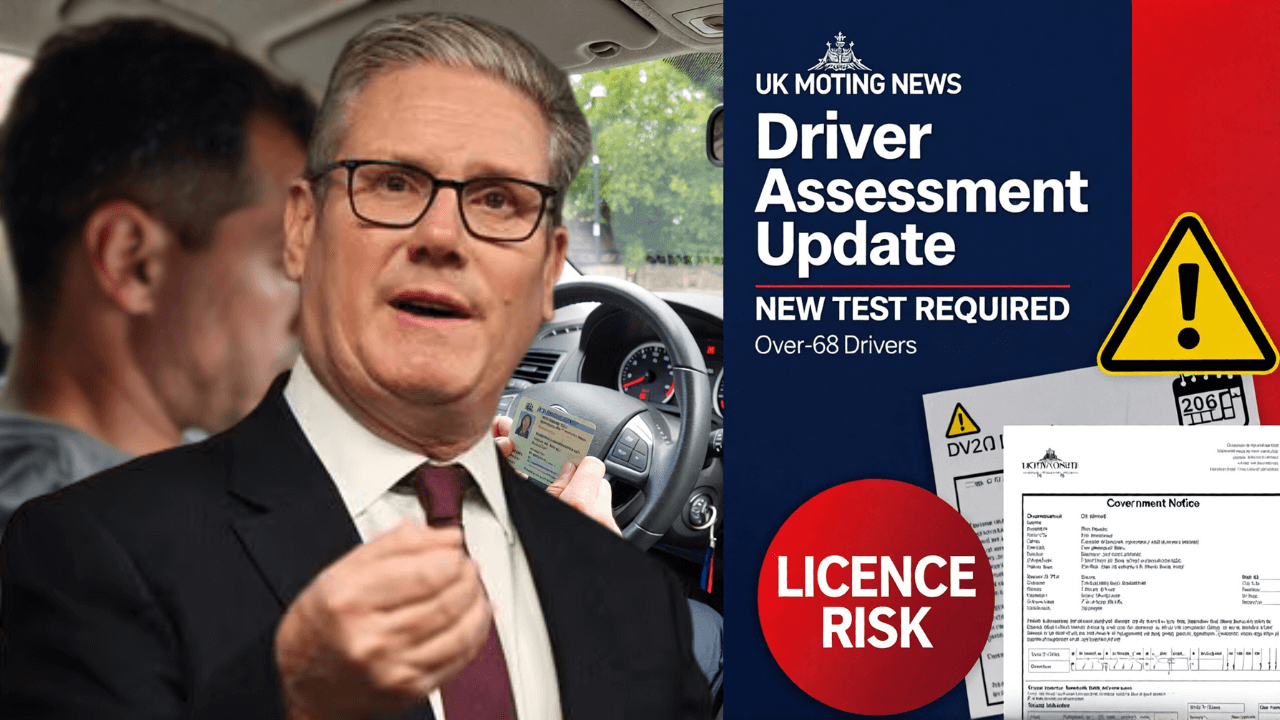
Driving is an important part of daily life for millions of people across the United Kingdom. For many older adults, having a driving licence provides independence, freedom and the ability to stay connected with family, friends and local communities. Being able to drive makes it easier to attend medical appointments, run errands, travel for leisure and maintain an active lifestyle.
However, road safety authorities regularly review driving regulations to ensure that all motorists remain capable of driving safely. As the UK population ages and more people continue driving later in life, policymakers have been discussing how to maintain safety standards while allowing older drivers to remain mobile.
Recent discussions have focused on potential updates to driving requirements for motorists aged over 65. Reports suggesting that new driving tests could be introduced for older drivers from 2026 have raised questions among many licence holders. Some drivers are concerned that their licence could be at risk if new testing rules are introduced.
Understanding how the current system works and what these discussions actually mean can help older drivers stay informed and confident.
How driving licences are managed in the UK
Driving licences in the UK are issued and managed by the Driver and Vehicle Licensing Agency. This government agency maintains records for drivers and vehicles, issues licences and ensures motorists meet legal requirements for driving.
To obtain a driving licence, individuals must pass both a theory test and a practical driving test. Once they have successfully completed these tests, they receive a full driving licence that allows them to drive legally on public roads.
Drivers must also meet medical standards and follow road safety rules while operating a vehicle. The licensing authority monitors these standards to ensure drivers remain fit to drive.
Why driving rules sometimes change
Road safety policies are not fixed permanently. As technology, traffic patterns and demographics change, governments review driving regulations to ensure they remain effective.
In recent years, the number of older drivers on UK roads has increased significantly. Improvements in healthcare and living standards mean that people are staying active and driving longer than in previous generations.
While many older drivers are experienced and careful motorists, policymakers sometimes review licensing rules to ensure that drivers remain medically fit and capable of driving safely.
These reviews are typically guided by safety data and recommendations from road safety organisations.
Why the focus is on drivers over 65
The age of 65 is often mentioned in discussions about driving regulations because it marks a stage of life when certain health changes may begin to affect driving ability.
For example, some people may experience changes in vision, hearing or reaction time as they get older. These changes can influence how someone responds to road conditions, traffic signals or unexpected situations.
However, it is important to note that age alone does not determine whether someone is a safe driver. Many individuals in their 70s and 80s continue to drive responsibly and maintain excellent driving records.
Because of this, policymakers usually focus on health and ability rather than age itself.
The current licence renewal rules for older drivers
Under existing UK rules, drivers must renew their licence when they reach the age of 70. After that point, licences must be renewed every three years.
The renewal process involves confirming personal details and declaring whether the driver has any medical conditions that could affect their ability to drive safely.
In most cases, the renewal process can be completed online or by post. Drivers are not usually required to retake a driving test unless there are concerns about their medical fitness to drive.
These rules are designed to ensure that drivers remain capable of driving safely while avoiding unnecessary restrictions.
What the proposed 2026 driving test discussion means
Reports about a new driving test for drivers over 65 have sparked widespread debate. However, much of the discussion relates to proposals or policy conversations rather than confirmed nationwide requirements.
In many cases, policymakers are exploring ways to improve road safety without creating unnecessary barriers for older drivers.
Possible ideas discussed in road safety debates include:
Voluntary driving assessments for older drivers
Refresher courses to update driving skills
Improved medical reporting systems
Greater awareness of age‑related driving risks
These measures aim to help drivers remain safe and confident rather than removing licences.
The role of health in driving safety
One of the most important factors in determining whether someone can continue driving safely is their health.
Drivers in the UK are legally required to inform the licensing authority if they develop certain medical conditions that could affect their driving ability.
Examples of conditions that may need to be reported include:
Serious vision impairments
Neurological conditions
Conditions causing sudden loss of consciousness
Severe mobility limitations
If a condition is reported, the licensing authority may review medical information before deciding whether the person can continue driving.
In many cases, drivers can continue driving normally if their condition is well managed.
Why older drivers often have strong safety records
Despite common stereotypes, many studies show that older drivers are often among the safest motorists on the road.
Experienced drivers tend to adopt cautious habits, such as avoiding driving at night, during bad weather or in heavy traffic.
Older motorists also tend to drive fewer miles and choose familiar routes, which can reduce accident risk.
These behaviours demonstrate that experience and careful decision‑making often play a larger role in safety than age alone.
How older drivers can stay confident on the road
Maintaining safe driving habits is important for motorists of all ages. For older drivers, there are several steps that can help ensure continued safety.
Regular eye tests are essential because good vision is critical for safe driving. Adjusting mirrors properly and maintaining comfortable seating positions can also improve visibility and control.
Some organisations offer refresher driving courses specifically designed for older motorists. These courses allow drivers to review road rules and update their driving skills.
Staying physically active can also help maintain the flexibility and coordination needed for driving.
The importance of independence in later life
For many older adults, driving is closely connected to independence. Being able to travel without relying on others allows people to maintain control over their daily routines.
Driving can help older individuals remain socially active, visit family members and participate in community activities.
Losing the ability to drive can sometimes lead to feelings of isolation, particularly in areas where public transport is limited.
Because of this, policymakers often aim to balance road safety with the need to preserve mobility for older residents.
The future of driving and safety technology
Modern vehicles include a wide range of safety technologies that can assist drivers and reduce accident risks.
Many new cars now include features such as:
Automatic emergency braking
Lane‑departure warnings
Parking sensors and cameras
Adaptive cruise control
These technologies can make driving safer and easier for people of all ages, including older motorists.
As vehicle technology continues to improve, it may help support drivers in maintaining their independence for longer.
Key points older drivers should remember
Driving licences in the UK are managed by the Driver and Vehicle Licensing Agency
Drivers must renew their licence at age 70 and every three years afterwards
Medical conditions affecting driving ability must be reported
Older drivers often maintain safe driving habits due to experience
Refresher courses and health checks can help drivers stay safe
Final thoughts
The discussion surrounding a possible driving test for motorists over 65 reflects the ongoing effort to keep roads safe while supporting the independence of older drivers. Although headlines may suggest that licences are at risk, most policy discussions focus on improving safety awareness and ensuring drivers remain medically fit.
For older drivers in the UK, staying informed about official guidance and maintaining good driving habits remain the most important steps. By taking care of their health, staying aware of road rules and keeping their licence details up to date, many drivers can continue enjoying the freedom and independence that driving provides for many years to come.